 By admin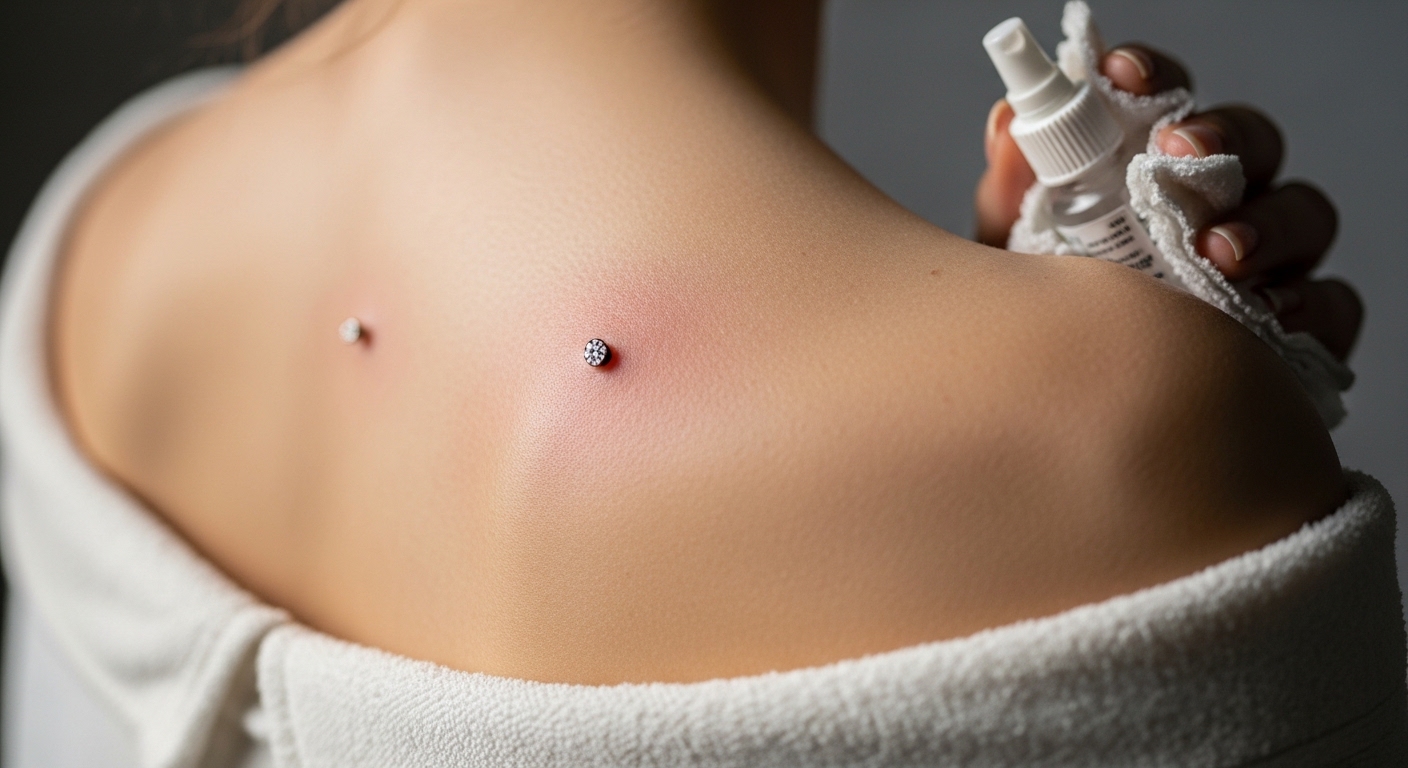
Body modification has evolved far beyond traditional ear and nose piercings. In recent years, surface and microdermal styles have gained remarkable attention for their minimalist yet striking appearance. Among these trends, back dermal piercing stands out as a bold and artistic form of self-expression. Positioned along the lower back or spine, this piercing creates a subtle shimmer that enhances natural body contours while maintaining a modern, elegant aesthetic.
This in-depth guide explores the cultural appeal, anatomy, healing considerations, jewelry choices, risks, and long-term outlook of this unique piercing. The article is designed to provide a complete understanding for readers who want knowledge rather than instructions, allowing them to make informed decisions rooted in awareness and responsibility.
Back Dermal Piercing
A dermal piercing differs significantly from traditional piercings because it does not pass through an entry and exit point. Instead, it anchors beneath the skin, allowing only a decorative top to remain visible. When placed on the back, this form of piercing creates a floating jewel effect that is both discreet and captivating.
The growing popularity of back dermal piercing reflects a shift toward minimalist body art. Rather than large or heavily adorned modifications, many individuals prefer subtle enhancements that complement their natural anatomy. This piercing style offers precisely that balance—bold individuality paired with understated beauty.
Understanding Dermal and Microdermal Jewelry
Dermal piercings rely on a specialized anchor that sits beneath the skin. The anchor has small holes or a footed base that allows tissue to grow around it, securing it in place. Above the skin, a threaded or fixed top provides the visible decorative element.
Unlike surface piercings that use bars and can be prone to rejection, dermal anchors are designed to reduce tension. This structural difference plays a critical role in why back dermal piercing has become more favored compared to older surface techniques. Its ability to integrate with the skin gives it a more seamless and durable appearance.
Cultural and Aesthetic Significance
Throughout history, body adornment has served as a symbol of identity, beauty, and personal storytelling. While dermal piercings are relatively modern, they align with ancient traditions of marking the body to reflect individuality and transformation.
In contemporary culture, the back holds symbolic meaning. It represents strength, support, and resilience. Adorning this area with a dermal accent adds an intimate layer of symbolism. For many wearers, back dermal piercing becomes more than decoration—it becomes a quiet statement of confidence and self-ownership.
Placement and Visual Impact on the Back
The back provides a broad canvas that allows for versatile placement. Some individuals prefer symmetry near the lower back, while others choose a single centered accent along the spine. The placement dramatically influences the overall visual effect.
Because the back moves constantly, jewelry placed here interacts with posture and motion. When done thoughtfully, back dermal piercing enhances the natural lines of the body rather than disrupting them. This dynamic interaction between movement and light contributes to its growing appeal in fashion and body art circles.
Pain Perception and Physical Sensation

Pain is a subjective experience influenced by anatomy, mental state, and individual tolerance. The back contains muscle and connective tissue that can affect sensation differently than thinner areas of the body.
Many people describe the sensation associated with back dermal piercing as intense but brief. The uniqueness of the feeling often stems from pressure rather than prolonged discomfort. Understanding this variability helps set realistic expectations without creating fear or misinformation.
Healing Phases and Skin Adaptation
Healing is a gradual biological process involving inflammation, tissue regeneration, and stabilization. Dermal piercings require the skin to adapt around the anchor, forming a secure hold over time.
The healing period for back dermal piercing can vary widely depending on factors such as immune response, lifestyle habits, and skin type. During this time, the body essentially learns to coexist with a foreign object. Awareness of this process fosters patience and respect for the body’s natural rhythms.
Jewelry Materials and Design Options
Material quality plays a critical role in comfort and longevity. High-grade metals such as titanium and surgical stainless steel are commonly preferred due to their biocompatibility.
Design options range from minimalist flat discs to gemstone tops that catch light subtly. The versatility of jewelry allows wearers to personalize their back dermal piercing while maintaining a refined look. Jewelry choice is often guided by both aesthetic preference and skin sensitivity.
Skin Types and Compatibility
Not all skin responds the same way to dermal implants. Thickness, elasticity, and oil production can influence how well the anchor settles beneath the surface.
Individuals with resilient skin may find back dermal piercing integrates smoothly, while others may experience challenges related to movement or pressure. Understanding skin compatibility emphasizes the importance of personalized assessment rather than one-size-fits-all expectations.
Lifestyle Factors That Affect Longevity
Daily activities such as exercise, clothing choices, and sleeping positions can influence the stability of dermal piercings. The back, in particular, experiences friction from chairs, bedding, and garments.
A back dermal piercing exists within the context of everyday life. Its longevity is shaped not only by initial placement but also by how it interacts with routine behaviors. Awareness of these influences helps manage expectations about durability and appearance over time.
Potential Risks and Medical Considerations
All body modifications carry inherent risks, including infection, inflammation, and allergic reactions. Dermal piercings add another layer of consideration because they involve subdermal placement.
Medical professionals emphasize the importance of hygiene and anatomical awareness when discussing back dermal piercing. While complications are not guaranteed, understanding potential outcomes empowers individuals to make informed choices rooted in health consciousness.
Rejection, Migration, and Scarring
One of the most discussed aspects of dermal piercings is the possibility of rejection or migration. This occurs when the body pushes the anchor closer to the surface over time.
With back dermal piercing, movement and pressure can influence this process. In some cases, minor scarring may remain after removal. Recognizing these possibilities fosters realistic expectations rather than idealized assumptions.
Maintenance Awareness Without Instructions
Long-term success depends on mindful observation rather than constant intervention. Noticing changes in skin texture, color, or sensation allows for early response if issues arise.
The durability of a back dermal piercing is often linked to attentiveness rather than perfection. Being aware of how the body responds ensures a balanced relationship between adornment and well-being.
Fashion, Confidence, and Body Image
Body modifications often intersect with fashion and personal confidence. A dermal accent on the back can complement clothing styles that reveal subtle details, such as open-back dresses or cropped tops.
For many, back dermal piercing enhances body positivity by encouraging self-appreciation. It becomes a personal ornament that exists for the wearer first and the observer second, reinforcing autonomy and self-expression.
Removal and Skin Recovery
While dermal piercings are semi-permanent, removal is sometimes necessary due to personal choice or physical changes. Skin recovery varies depending on how long the anchor was in place and individual healing capacity.
After removal, the body works to repair itself naturally. With back dermal piercing, the healing mark is often minimal, though outcomes differ from person to person. Understanding this process supports informed decision-making.
Long-Term Outlook and Professional Perspectives
Professionals within the body modification industry emphasize education and consent as foundational principles. Dermal piercings are viewed not as trends but as long-term commitments.
From a professional standpoint, back dermal piercing represents the fusion of artistry and anatomy. Its success relies on respecting both creative vision and biological reality, making knowledge the most valuable accessory of all.
Conclusion
The allure of back dermal piercing lies in its subtle elegance and deeply personal nature. It is a form of body art that speaks softly yet confidently, enhancing natural beauty without overwhelming it. Understanding its anatomy, risks, healing dynamics, and long-term implications allows individuals to approach this modification with clarity and respect.
Rather than focusing on trends or external validation, this piercing invites a mindful relationship with one’s body. When chosen thoughtfully, it can become a lasting symbol of individuality, resilience, and self-expression.
Frequently Asked Questions (FAQs)
What makes a dermal piercing different from a traditional piercing?
Dermal piercings anchor beneath the skin and have only one visible point, unlike traditional piercings that pass completely through tissue.
Is back dermal piercing permanent?
It is considered semi-permanent. While it can last for years, removal may be required due to personal choice or physical changes.
Does body movement affect dermal piercings on the back?
Yes, movement and pressure can influence healing and longevity, especially in high-motion areas like the back.
Can everyone get a dermal piercing on their back?
Skin type, lifestyle, and anatomy all play roles in suitability. Individual assessment is essential.
Will a scar remain after removal?
Scarring varies by individual. Many experience minimal marks, while others may notice faint scars depending on healing response.
If you’re interested in food alternatives and unique ingredients, you may also enjoy reading our related article “Beef Bacon.” It explores what beef bacon is, how it differs from traditional bacon, and why it’s becoming a popular choice for people seeking flavorful non-pork options.