 By admin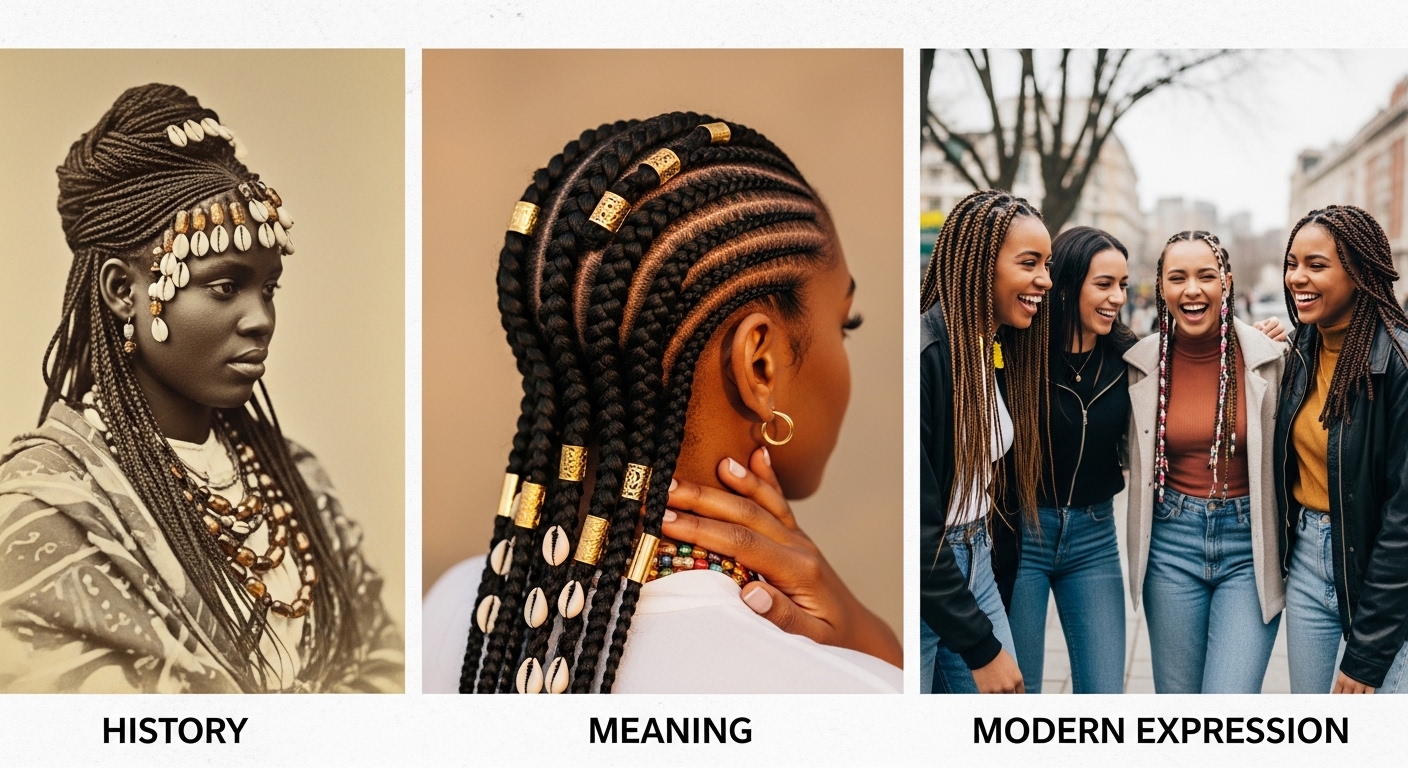
Hair has always been more than appearance within African societies. It functions as a language, a marker of belonging, and a reflection of lived experience. Among the many intricate African hairstyles that carry deep meaning, fulani braids stand out as a powerful blend of artistry, identity, and cultural memory. Rooted in centuries of tradition, these braids reflect the values and aesthetics of the Fulani people, a widely dispersed ethnic group across West Africa. Today, this hairstyle continues to evolve, balancing ancestral heritage with modern self-expression.
The global popularity of African-inspired hairstyles has brought renewed attention to styles that were once confined to specific regions and communities. Yet the growing visibility of this look is not simply a fashion trend; it is an entry point into a broader story of migration, resilience, and creativity. Understanding the origins and meanings behind the style allows for a deeper appreciation of its beauty and relevance in contemporary society.
Cultural Roots of Fulani Hairstyles
The Fulani people, also known as Fula or Peul, are one of the largest ethnic groups in West Africa, with communities in countries such as Senegal, Mali, Guinea, Nigeria, and Niger. Traditionally pastoralist, the Fulani developed distinct cultural practices that reflected their mobile lifestyle, and hair played a central role in expressing identity within these communities.
Historically, hairstyles communicated age, marital status, wealth, and clan affiliation. Braiding was often a communal activity, strengthening bonds between women and passing knowledge from one generation to the next. Within this cultural framework, fulani braids emerged as a recognizable and meaningful style, often characterized by a central braid or cornrow pattern combined with decorative elements.
The act of braiding was never rushed or purely cosmetic. It involved patience, skill, and intentionality, reinforcing the idea that hair care was both a social ritual and an artistic practice.
Identity, Symbolism, and Social Meaning
In Fulani culture, hair symbolism extends far beyond aesthetics. The arrangement of braids could indicate a woman’s stage of life or her role within the community. Certain patterns were associated with youth and vitality, while others reflected maturity or motherhood.
Adornment also carried symbolic weight. Beads, cowrie shells, and metal ornaments were not random decorations but indicators of prosperity, spirituality, and family heritage. When worn in traditional contexts, fulani braids communicated a narrative that others within the culture could easily read and understand.
This symbolic language of hair underscores the importance of preserving cultural knowledge. Even as styles change, the meanings embedded within traditional designs remain an essential part of Fulani identity.
Traditional Materials and Artistic Expression
The materials historically used in Fulani hairstyles were drawn from the natural environment and local trade networks. Beads made of wood, glass, or stone were common, as were cowrie shells, which held economic and spiritual significance across many African societies.
Metal accessories, often crafted by local artisans, added weight and sound to the hair, creating a multisensory experience. Movement caused the ornaments to catch the light or produce a soft jingle, further enhancing the expressive quality of the hairstyle. In this way, fulani braids became wearable art, combining texture, rhythm, and visual harmony.
The artistry involved in creating these styles highlights the technical skill of African braiders, whose work has influenced global hair culture for generations.
Regional Influence Across West Africa
While the Fulani people share cultural similarities across borders, regional variations have shaped how hairstyles developed in different areas. Climate, available materials, and interaction with neighboring ethnic groups all contributed to stylistic diversity.
In some regions, braids were finer and more numerous, emphasizing intricate patterns close to the scalp. In others, looser braiding techniques were favored, reflecting practical considerations such as heat and mobility. Despite these differences, the core elements that define fulani braids remained consistent, allowing the style to be recognized across vast geographic distances.
This adaptability speaks to the resilience of Fulani culture and its ability to absorb influence while maintaining a strong sense of identity.
Fulani Braids in the African Diaspora
The transatlantic slave trade and later waves of migration carried African cultural practices far beyond the continent. Hairstyles, though often suppressed under colonial rule, survived as quiet forms of resistance and self-definition.
In the African diaspora, traditional braiding techniques were preserved through oral history and community practice. Over time, fulani braids resurfaced as a symbol of reconnection with African roots, particularly during periods of cultural awakening and political activism.
Today, this hairstyle is embraced by people of African descent worldwide as a way to honor ancestry while asserting pride in natural hair textures and traditions.
Modern Adaptations and Personal Style
Contemporary interpretations of Fulani-inspired hairstyles reflect a wide range of personal tastes. While traditional elements remain influential, modern wearers often experiment with braid thickness, length, and parting patterns.
Accessories have also evolved, incorporating colorful beads, minimalist cuffs, or mixed materials. These adaptations allow individuals to personalize the style while maintaining its cultural essence. In this context, fulani braids function as both a nod to tradition and a canvas for modern creativity.
The flexibility of the style contributes to its enduring popularity across different age groups and fashion sensibilities.
Hair Texture, Versatility, and Aesthetic Appeal
One of the reasons this hairstyle resonates so widely is its compatibility with diverse hair textures. The structure of braided styles supports natural hair, offering both protection and visual impact.
From a purely aesthetic perspective, fulani braids create a balanced and striking look. The interplay between scalp patterns and flowing lengths draws attention to facial features while maintaining a sense of elegance. This balance between structure and softness has helped the style maintain relevance in both casual and formal settings.
Its versatility allows it to be adapted for everyday wear, cultural celebrations, and artistic expression alike.
Representation in Media and Fashion
Media visibility has played a significant role in bringing African hairstyles to global audiences. Musicians, actors, and fashion models have embraced traditional braiding styles, often using them to make statements about identity and heritage.
When featured respectfully, fulani braids challenge narrow beauty standards and expand representation within mainstream fashion. They also open conversations about the origins of trends and the importance of crediting source cultures.
This increased visibility can be empowering, provided it is accompanied by cultural understanding rather than appropriation.
Cultural Appreciation and Respect
As African-inspired hairstyles gain popularity, discussions about cultural appreciation become increasingly important. Wearing a hairstyle rooted in a specific culture carries responsibility, particularly when that culture has historically faced marginalization.
Respect involves acknowledging the origins of fulani braids, understanding their significance, and avoiding stereotypes or commodification. Education and dialogue are key to ensuring that cultural exchange remains positive and mutually respectful.
When approached thoughtfully, shared appreciation of beauty traditions can foster cross-cultural connection rather than division.
Contemporary Styling Trends and Creativity
Within modern hair culture, creativity continues to redefine traditional forms. Braiders experiment with asymmetry, mixed braid techniques, and subtle color accents that enhance rather than overshadow the core design.
These innovations demonstrate how fulani braids can evolve without losing their cultural grounding. The style’s adaptability ensures that it remains relevant in an ever-changing fashion landscape, while still honoring its historical roots.
Such creative exploration reflects the broader story of African aesthetics: dynamic, resilient, and deeply meaningful.
Economic and Social Impact of Braiding
Braiding has long been a source of economic empowerment, particularly for women. In many communities, professional braiders are respected artisans whose skills support families and local economies.
The global demand for traditional styles has expanded opportunities for African and diaspora braiders alike. As fulani braids gain recognition, they contribute to the visibility of braiding as a legitimate art form and profession.
This economic dimension underscores the practical significance of preserving traditional knowledge in a modern context.
Preservation of Heritage Through Hair
Hair traditions serve as living archives of cultural history. Each braid pattern, accessory choice, and styling method carries echoes of the past.
By continuing to wear and reinterpret fulani braids, individuals participate in the preservation of Fulani heritage. This continuity ensures that cultural knowledge remains active rather than confined to museums or textbooks.
In this way, hair becomes both a personal statement and a collective memory, linking generations across time and space.
Conclusion
The enduring appeal of fulani braids lies in their ability to bridge history and modernity. More than a hairstyle, they represent identity, artistry, and cultural resilience. From their origins among the Fulani people to their presence on global stages, these braids tell a story of movement, adaptation, and pride.
By understanding their cultural roots and contemporary significance, wearers and admirers alike can engage with the style in a meaningful and respectful way. In doing so, they help ensure that this rich tradition continues to thrive, not as a passing trend, but as a living expression of heritage.
FAQs
What makes Fulani-inspired braids culturally significant?
They originate from the Fulani people of West Africa and carry meanings related to identity, community, and tradition.
Are these braids only worn by Fulani women?
While traditionally associated with Fulani culture, the style is now embraced globally, often as a symbol of African heritage.
Why are beads and accessories important?
They historically signified wealth, spirituality, and social status, adding symbolic depth to the hairstyle.
How has modern fashion influenced the style?
Contemporary fashion has introduced new variations while still drawing inspiration from traditional patterns.
Can wearing traditional African hairstyles be a form of cultural appreciation?
Yes, when done with respect, understanding, and acknowledgment of the culture from which the style originates.
If you’re interested in learning more about public figures and their personal lives, you may also like our related article titled “Kash Patel Girlfriend.” It explores relationship rumors, public interest, and verified details in a clear and informative way, making it a helpful read alongside this topic.