 By Katherine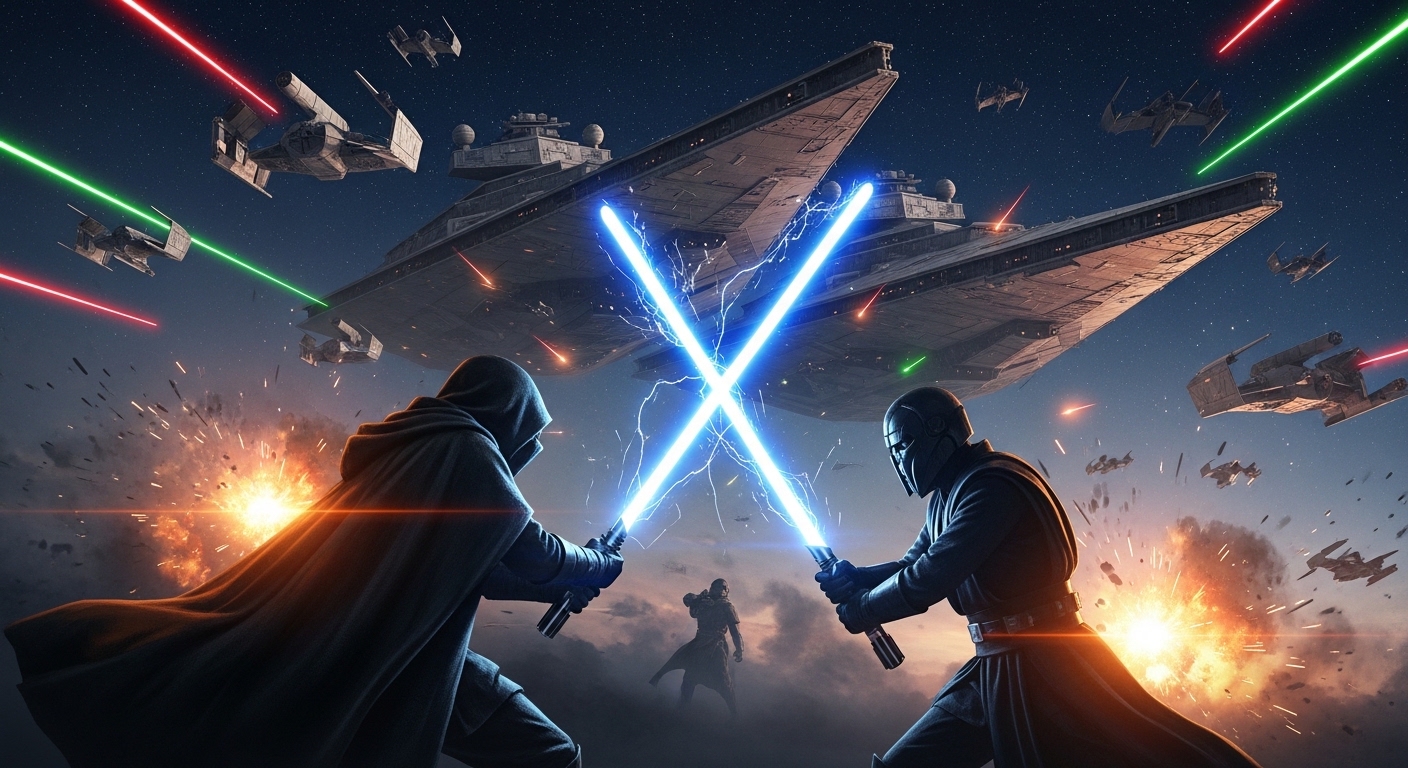
The Star Wars franchise has set the benchmark for cinematic visual effects and immersive storytelling. Behind every epic lightsaber duel, interstellar battle, and fantastical creature, there are intricate movie FX maker codes at work. For aspiring creators, learning Star Wars movie FX maker codes opens the door to replicating these iconic effects in their own projects. With the right tools and techniques, filmmakers can bring the galaxy far, far away vividly to life.
Whether you are a beginner filmmaker, a hobbyist, or a professional VFX artist, understanding star wars movie fx maker codes can transform your creative projects. These codes are the building blocks of iconic effects, enabling creators to replicate the cinematic universe’s signature aesthetics.
This article will explore everything you need to know about Star Wars FX codes, including types, usage, software tools, benefits, and challenges, in a detailed, SEO-optimized, and reader-friendly format.
What Are Star Wars Movie FX Maker Codes?
Star Wars movie FX maker codes are specialized sets of instructions, scripts, or parameters used in VFX software to generate visual effects seen in Star Wars films. These codes simulate light, motion, explosions, textures, and other cinematic elements that bring the universe to life.
In essence, they serve as the digital recipe for crafting effects like:
-
Lightsabers’ glowing energy
-
Spaceships soaring across galaxies
-
Alien creatures interacting realistically
-
Dynamic environmental effects such as explosions and blaster fire
Unlike traditional filmmaking where effects were achieved practically, FX maker codes automate and refine the process, saving time while increasing precision.
How Star Wars FX Codes Transform Filmmaking
Star Wars FX codes revolutionize filmmaking by automating complex visual effects, from lightsabers and space battles to alien creatures. They enhance creativity, save time, and ensure precision, allowing filmmakers to craft cinematic-quality scenes. By combining digital coding with practical effects, these codes bring the Star Wars universe vividly to life.
Special Effects in Star Wars Movies
The Star Wars saga is famous for pioneering both practical effects and digital VFX. FX maker codes allow filmmakers to recreate the franchise’s visual spectacle without physically building everything on set.
For example:
-
Lightsaber clashes are coded to react dynamically to movement and collisions.
-
Spaceships and starfighters are animated using trajectory and velocity codes to simulate realistic physics.
-
Force powers and explosions are scripted with particle and energy codes for visually striking sequences.
By using FX codes, filmmakers can experiment endlessly, making each scene visually richer and more immersive.
Digital vs Practical FX
FX codes complement both practical effects (physical models, props, pyrotechnics) and digital effects (CGI and compositing). While practical effects add authenticity, digital FX codes ensure:
-
Precision Perfect lighting, color, and motion alignment
-
Flexibility Easily editable sequences
-
Cost efficiency Reduces the need for reshoots or complex physical setups
For Star Wars enthusiasts, mastering FX codes means unlocking the ability to recreate cinematic magic from the comfort of their studio or home setup.
Types of Star Wars Movie FX Maker Codes
Light Saber Effects Codes
Lightsabers are one of the most recognizable elements in Star Wars. FX codes for lightsabers allow creators to:
-
Generate glowing blades with variable colors
-
Animate clashes with realistic sparks
-
Simulate energy reflections on characters and surroundings
For instance, using particle simulation and glow intensity parameters, you can make a lightsaber blade look like it’s truly humming with energy.
Spaceship FX Codes
Spaceships like the X-Wing or TIE Fighter are essential to Star Wars battles. FX maker codes for spaceships include:
-
Trajectory and movement codes – Define speed, rotation, and flight paths
-
Laser and projectile codes – Animate blaster fire and missile trails
-
Environmental interaction codes – Create effects like explosions, smoke, and debris
With these codes, fans and filmmakers can stage epic space battles reminiscent of the original trilogy.
Character and Creature Effects Codes
Character and Creature Effects Codes in Star Wars allow creators to bring digital beings to life. Using FX maker codes, animators can simulate realistic movements, expressions, textures, and special abilities for droids, aliens, and creatures. These codes ensure that characters interact believably within cinematic scenes, enhancing storytelling and visual impact.
Star Wars creatures, from Wookiees to droids, require advanced FX codes for:
-
Realistic movement and expressions – Using skeletal rigging and animation codes
-
Texture and shading Simulating fur, metal, or alien skin
-
Special powers For Jedi, Sith, and Force users, coding effects like telekinesis or force lightning
These FX codes are critical for ensuring digital characters feel alive and believable.
Environmental FX Codes
From Tatooine deserts to Death Star corridors, environmental FX codes create realistic backgrounds and scenarios. Codes handle:
-
Weather effects Rain, snow, sandstorms
-
Lighting and shadows For dynamic day-night cycles
-
Destruction sequences Explosions, crumbling structures, and blaster impact
By mastering environmental FX codes, creators can place characters in cinematically convincing worlds.
How to Use Star Wars FX Maker Codes Effectively
To use Star Wars FX maker codes effectively, start by selecting the desired effect type, import compatible assets, and apply the appropriate FX codes within your VFX software. Adjust parameters, preview results, and render carefully. Proper understanding of coding, software tools, and scene composition ensures cinematic-quality effects.
Software Requirements
To work with Star Wars movie FX maker codes, you need:
-
VFX software Blender, After Effects, Maya, Houdini
-
Code editors Python or C++ for scripting effects
-
Graphics tools For textures, lighting, and particle effects
-
High-performance hardware Strong CPU, GPU, and RAM to render effects efficiently
Step-by-Step Guide
-
Choose Your Effect Type Decide whether you want to create lightsabers, spaceships, or environmental effects.
-
Install Compatible Software Ensure your VFX software supports scripting and FX codes.
-
Import Assets – Models, textures, and reference videos are essential.
-
Apply FX Maker Codes Insert codes for motion, glow, particle effects, or shaders.
-
Preview and Adjust Tweak parameters for realism and cinematic accuracy.
-
Render the Scene Export your sequence in high resolution.
Common Mistakes to Avoid
-
Ignoring hardware limitations FX codes can be resource-intensive.
-
Overcomplicating sequences Keep effects balanced and purposeful.
-
Skipping testing Always preview effects in small sections before full rendering.
-
Not referencing original Star Wars films Accuracy matters for iconic sequences.
Top Star Wars FX Maker Tools and Platforms
Some of the best tools for Star Wars movie FX codes include:
-
Blender Free, open-source 3D software for modeling, animation, and FX scripting
-
After Effects Adobe software for motion graphics and compositing
-
Houdini Industry-standard for procedural FX like explosions, fire, and smoke
-
Unity & Unreal Engine Real-time FX creation for interactive projects and fan films
Using these platforms, creators can implement FX codes and achieve Hollywood-level visuals.
Benefits of Learning Star Wars Movie FX Codes
Mastering Star Wars FX maker codes comes with numerous advantages:
-
Creative Freedom Build your own Star Wars-inspired universe
-
Career Opportunities Become a VFX artist for films, games, or media
-
Skill Enhancement Improve coding, animation, and design proficiency
-
Fan Engagement Share your effects in fan films or online communities
Learning these codes can be both a fun hobby and a professional skill.
Challenges in FX Coding
While rewarding, FX coding is not without challenges:
-
Steep Learning Curve Combining coding, 3D modeling, and animation requires time
-
Hardware Demands High-quality rendering needs powerful machines
-
Attention to Detail Effects must be realistic and consistent
-
Software Costs Some professional tools require expensive licenses
Overcoming these challenges requires practice, patience, and dedication.
Conclusion
The Star Wars movie FX maker codes are the backbone of one of the most visually iconic franchises in cinema history. From lightsaber duels to space battles, these codes allow creators to produce cinematic-quality effects with precision and creativity.
Whether you are a fan, hobbyist, or aspiring VFX professional, learning to use these codes effectively opens doors to unlimited storytelling possibilities. By combining creativity, software tools, and FX coding techniques, you can bring the Star Wars universe to life, one effect at a time.
Embrace the power of Star Wars FX maker codes, and let your imagination soar across galaxies far, far away.
FAQs
Q1: What are Star Wars FX maker codes used for?
A: They are scripts and parameters used in VFX software to create visual effects like lightsabers, spaceships, creatures, and environmental effects in Star Wars-inspired films.
Q2: Can beginners use Star Wars FX codes?
A: Yes, with tutorials, beginner-friendly software like Blender or After Effects, anyone can start experimenting with basic FX codes.
Q3: Do I need coding knowledge to use FX maker codes?
A: Basic coding knowledge helps, especially for scripting complex effects, but many platforms offer drag-and-drop visual FX creation.
Q4: Are Star Wars FX codes free?
A: Some codes and templates are available for free, but professional-grade codes may require licensed VFX software.
Q5: What hardware is best for FX rendering?
A: A computer with a strong CPU, high-end GPU, and at least 16GB RAM is recommended for smooth rendering of complex effects.