 By admin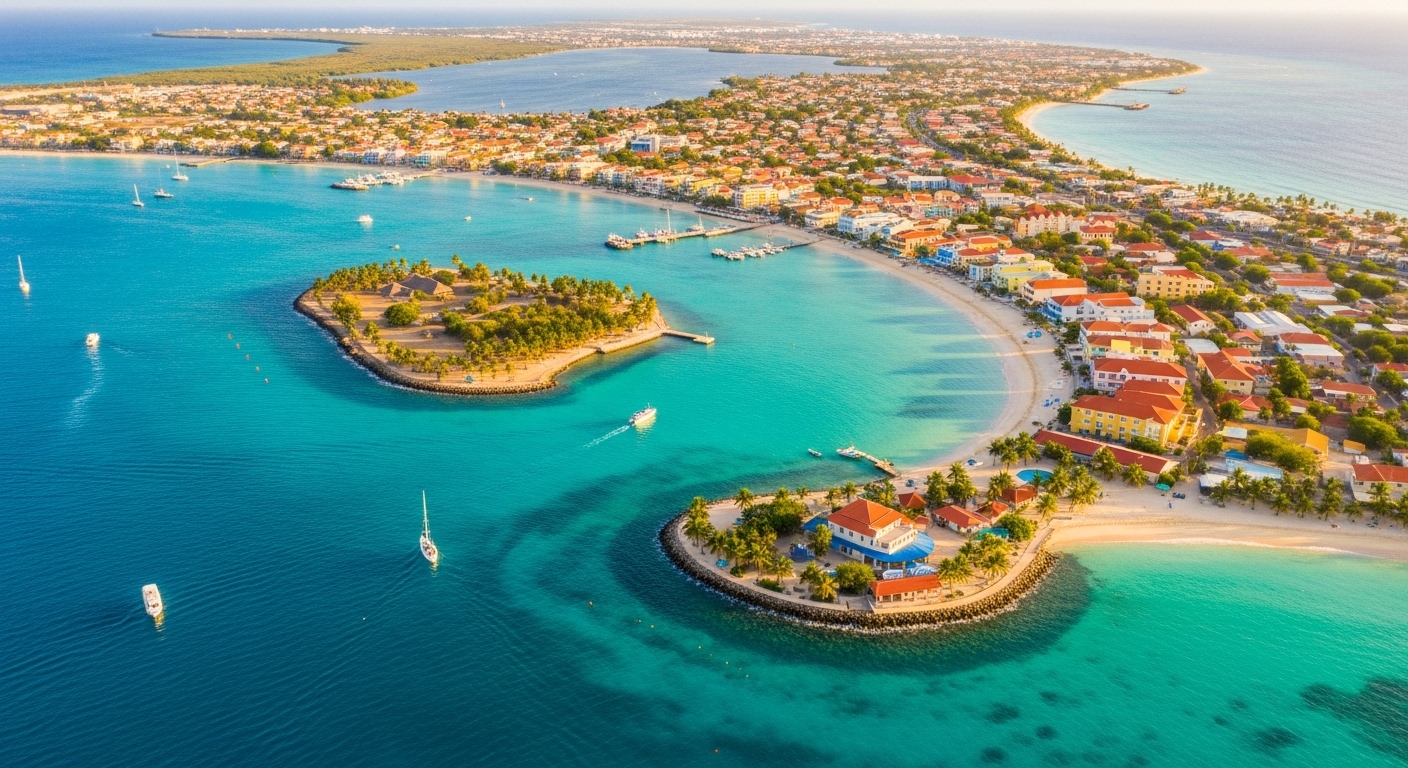
The Caribbean is home to countless tropical destinations, but few possess the distinct identity and diversity found in the abc islands. Located in the southern Caribbean Sea near the coast of South America, this island group has gained worldwide recognition for its blend of European heritage, Caribbean warmth, and Latin American influence. Unlike many island chains defined purely by beaches, these islands stand out due to their unique culture, strong infrastructure, and consistent appeal to international travelers.
The islands are known for their stability, safety, and high quality of life, making them attractive not only to tourists but also to expatriates, entrepreneurs, and long-term residents. Their reputation has evolved beyond traditional island tourism into a symbol of balanced development, preserved culture, and modern Caribbean living.
Geographic Identity and Regional Significance
The abc islands consist of Aruba, Bonaire, and Curaçao, each with its own personality while sharing geographic proximity and historical ties. Positioned just outside the hurricane belt, these islands enjoy relatively stable weather conditions throughout the year. Their southern Caribbean location also places them closer to Venezuela than to most Caribbean islands, influencing trade, culture, and cuisine.
Geographically, these islands are characterized by arid landscapes, rocky coastlines, and vibrant coral reefs. Unlike the lush rainforests seen elsewhere in the Caribbean, the terrain here is shaped by desert-like vegetation, cacti, and limestone formations. This environment contributes to their unique ecological identity and sets them apart from neighboring island destinations.
Cultural Heritage and Historical Foundations
The cultural identity of the abc islands is deeply rooted in a complex colonial history shaped by indigenous communities, European powers, and African influence. Originally inhabited by Arawak people, the islands later became part of the Dutch colonial empire, leaving a lasting mark on governance, architecture, and language.
This layered history is visible today in preserved historic districts, colorful colonial buildings, and museums that reflect centuries of migration and trade. Despite modernization, cultural preservation remains a priority, allowing traditions to coexist naturally with contemporary lifestyles. The result is a cultural atmosphere that feels both authentic and progressive.
Language, Society, and Everyday Life
One of the most fascinating aspects of life on the abc islands is linguistic diversity. Papiamento, a Creole language blending Portuguese, Spanish, Dutch, and African influences, is widely spoken and serves as a cultural unifier. In addition, Dutch, English, and Spanish are commonly used, creating a multilingual society that is welcoming and globally connected.
Daily life reflects a relaxed rhythm balanced with professionalism. Locals value community, family, and tradition, while also embracing international business standards and education systems. This balance contributes to a strong sense of identity and social harmony.
Climate Patterns and Natural Environment
The abc islands are known for their dry, sunny climate, offering warm temperatures throughout the year with minimal rainfall. This predictable weather pattern supports tourism year-round and allows outdoor activities to thrive regardless of season.
The natural environment includes coral reefs, mangroves, salt flats, and protected marine parks. These ecosystems play a crucial role in maintaining biodiversity and supporting sustainable tourism. Conservation efforts have become an essential part of national policy, reflecting the islands’ commitment to protecting their natural assets.
Tourism Identity and Global Appeal
Tourism on the abc islands extends beyond traditional beach vacations. Each island has carved out a distinct niche that attracts different types of travelers, from luxury seekers to eco-tourists. This strategic differentiation has helped maintain steady tourism growth while avoiding overdevelopment.
International visitors are drawn to the islands’ safety, cleanliness, and modern infrastructure. Airports, ports, and hospitality services meet global standards, enhancing their appeal as premium Caribbean destinations. This reputation has strengthened the islands’ position in the global tourism market.
Beaches, Landscapes, and Outdoor Beauty
The beaches of the abc islands are celebrated for their clarity, calm waters, and diverse coastal formations. White sand beaches coexist with rugged shorelines, offering scenic variety rarely found in such a compact region.
Beyond the coast, the islands feature national parks, desert landscapes, and underwater environments rich in marine life. These natural attractions contribute to a sense of exploration and discovery, making outdoor experiences a defining element of the islands’ appeal.
Architecture, Urban Life, and Island Design
Urban centers across the abc islands reflect a blend of colonial elegance and modern design. Colorful facades, narrow streets, and waterfront districts showcase architectural heritage while supporting contemporary lifestyles.
Cities and towns are designed to accommodate both residents and visitors, with walkable areas, cultural landmarks, and public spaces. This thoughtful urban planning enhances quality of life and preserves the islands’ visual identity.
Cuisine, Food Traditions, and Local Flavors
Cuisine on the abc islands represents a fusion of cultures, blending Caribbean spices with European techniques and Latin American influences. Traditional dishes often feature fresh seafood, local herbs, and slow-cooked flavors that reflect centuries of culinary evolution.
Food plays a central role in social gatherings and cultural celebrations. Markets, restaurants, and festivals highlight the importance of local ingredients and culinary heritage, reinforcing food as a vital expression of identity.
Economy, Trade, and Modern Development
The economy of the abc islands is diversified, relying on tourism, finance, trade, and renewable energy initiatives. Their strategic location has historically supported maritime trade, a role that continues today through modern ports and logistics hubs.
Economic policies emphasize sustainability, innovation, and international cooperation. This forward-looking approach has helped maintain stability and attract global investment, contributing to long-term growth and resilience.
Sustainability and Environmental Awareness
Environmental responsibility is a growing priority across the abc islands. Governments and local organizations actively promote renewable energy, marine protection, and responsible tourism practices.
Public awareness campaigns and conservation programs encourage both residents and visitors to respect the natural environment. These efforts aim to ensure that economic development does not come at the expense of ecological balance.
Arts, Festivals, and Cultural Expression
Artistic expression thrives on the abc islands, reflecting a rich mix of influences and creative traditions. Music, dance, visual arts, and storytelling play essential roles in preserving cultural memory and celebrating identity.
Festivals throughout the year bring communities together, showcasing traditional costumes, performances, and local pride. These events strengthen cultural continuity while inviting global audiences to engage with island heritage.
Travel Reputation and International Recognition
The abc islands have earned a reputation for excellence in tourism, governance, and quality of life. International rankings often highlight their safety, infrastructure, and environmental management.
This recognition has positioned the islands as leaders within the Caribbean region, offering a model for balanced development and cultural preservation. Their global image continues to evolve as demand for meaningful travel experiences grows.
Conclusion
The abc islands represent far more than a tropical getaway. They embody a rare combination of cultural depth, environmental awareness, and modern development. Their distinct identity, shaped by history and innovation, has allowed them to thrive while preserving authenticity.
As global travelers increasingly seek destinations that offer substance alongside beauty, these islands stand as enduring examples of how tradition and progress can coexist harmoniously.
Frequently Asked Questions (FAQs)
What makes the ABC Islands different from other Caribbean destinations?
Their blend of Dutch heritage, multilingual culture, arid landscapes, and strong infrastructure sets them apart from more traditional Caribbean islands.
Are the ABC Islands culturally similar to each other?
While they share historical ties, each island has developed its own cultural personality, traditions, and social dynamics.
Is the climate consistent throughout the year?
Yes, the islands are known for stable, sunny weather and minimal rainfall, making them attractive year-round.
Why are the ABC Islands considered environmentally conscious?
They invest heavily in marine protection, renewable energy, and sustainable tourism initiatives.
Do the ABC Islands appeal to long-term residents as well as tourists?
Yes, their safety, healthcare, and quality of life make them appealing for both short visits and permanent living.
If you’re interested in exploring more in-depth automotive content, we also recommend checking out our detailed article titled “2025 Volkswagen Atlas Cross Sport.” This guide covers the vehicle’s design updates, performance expectations, interior features, and overall market positioning, making it a valuable read for anyone researching modern SUVs and upcoming automotive trends.