 By admin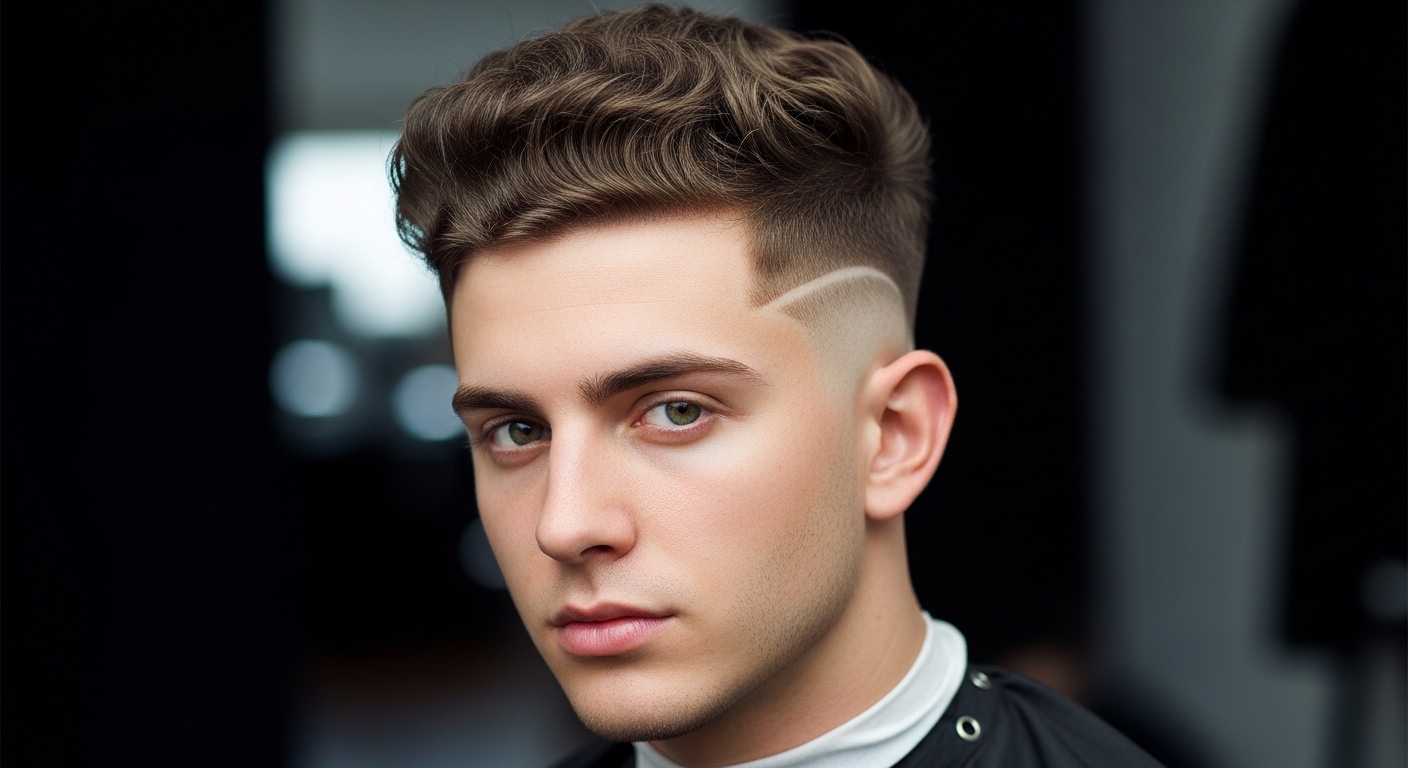
Haircuts play a crucial role in defining personal appearance, confidence, and overall presentation. Among modern men’s hairstyles, certain styles stand out because they offer balance, cleanliness, and versatility without appearing extreme. One such style is the mid taper, a haircut that has gained widespread popularity due to its ability to complement different face shapes, hair textures, and professional environments. Unlike trend-driven styles that fade quickly, this haircut maintains relevance because of its subtle structure and refined finish. It offers a polished look while still allowing individual expression, making it a preferred choice for men who want something stylish yet practical.
What Is a Mid Taper Haircut?
A mid taper haircut is defined by a gradual and controlled reduction of hair length that begins around the middle section of the sides and back of the head. Rather than starting very low near the neckline or very high near the temples, the taper sits comfortably between the two extremes. This middle placement creates a balanced transition from longer hair on top to shorter hair along the sides, resulting in a clean and natural appearance.
The defining characteristic of this haircut is subtlety. The transition is smooth rather than dramatic, which allows the haircut to look neat without drawing excessive attention to the sides. Because of this balanced design, the style adapts easily to both casual and formal settings, making it suitable for men across different age groups and lifestyles.
Mid Taper vs Normal Taper: Understanding the Difference
The difference between a mid taper and a normal taper lies primarily in precision and placement. A normal taper is a broad term used to describe any gradual shortening of hair toward the sides and back, without specifying where that transition begins. This means a normal taper can vary widely depending on the barber’s interpretation.
In contrast, a mid taper follows a clearly defined structure. The taper starts at a consistent mid-level point, ensuring symmetry and balance across the head. This distinction results in a more intentional and refined look. While a normal taper may appear softer or less defined, the mid-level placement offers clarity without harshness, making it more visually structured.
How a Mid Taper Haircut Enhances Face Shape
One of the most appealing aspects of a mid taper is its ability to enhance natural facial features. The gradual shortening of hair along the sides creates a visual contour that frames the face without overpowering it. This framing effect helps balance proportions, particularly by reducing excess bulk on the sides while maintaining fullness where it matters most.
The middle-level taper avoids extremes, which means it does not elongate or widen the face excessively. Instead, it subtly supports the natural symmetry of the face, allowing jawlines, cheekbones, and overall facial structure to appear more defined. This is why the haircut is often described as universally flattering rather than limited to a specific look.
Best Face Shapes for a Mid Taper Haircut
The mid taper works especially well with a wide range of face shapes due to its balanced nature. For round faces, the controlled reduction on the sides helps create the illusion of structure, preventing the face from appearing overly full. For oval faces, the haircut maintains natural proportions without altering the face’s inherent symmetry.
Square face shapes benefit from the softness of the transition, which prevents harsh angles from dominating the overall look. Even for longer or narrower face shapes, the mid-level placement avoids exaggeration, ensuring the haircut complements rather than competes with facial features. This adaptability makes it one of the most versatile choices available.
Mid Taper vs Low Taper: Key Visual Differences
-
Taper starting point: A low taper begins closer to the neckline, while a mid taper starts higher on the sides
-
Overall appearance: Low taper creates a softer and more conservative look, whereas a mid taper appears more balanced
-
Visual weight: Low taper keeps more bulk on the sides, while a mid taper removes weight higher up
-
Sharpness level: A mid taper looks sharper and more structured without appearing too bold
-
Style contrast: Low taper remains subtle, while a mid taper provides a noticeable yet refined contrast
Mid Taper vs High Taper: Which One Looks Sharper?
A high taper begins much closer to the temples, creating a strong and striking contrast between the top and sides. While this can appear sharp, it often leans toward a bold or edgy aesthetic. In contrast, the mid taper delivers sharpness through balance rather than intensity.
The mid-level transition provides a clean outline while preserving harmony across the head. This makes it appear sharp in a subtle and controlled way, which is why many people consider it more versatile than a high taper. It offers refinement without sacrificing professionalism.
Curly Hair and the Mid Taper Haircut
Curly hair benefits greatly from the structured nature of a mid taper . The taper helps control volume on the sides while allowing natural texture to remain prominent on top. This balance prevents curls from appearing overwhelming or unshaped.
By maintaining fullness where curls naturally thrive and reducing bulk where it can become excessive, the haircut creates a clean yet dynamic appearance. The result is a polished look that highlights natural texture without requiring drastic changes or heavy styling. Read more…
Straight Hair and the Mid Taper Haircut
For straight hair, the mid taper enhances clarity and definition. Straight hair often shows transitions more clearly, making the smooth gradient of the taper especially noticeable. This clean transition gives straight hair a crisp and refined appearance.
The haircut adds dimension without relying on dramatic contrasts. It supports a neat profile, making it suitable for both structured and relaxed styles. This adaptability allows straight hair to appear fuller and more intentional. Read more…
Why Professionals Prefer This Haircut
The mid taper is widely favored in professional environments because it communicates cleanliness, discipline, and confidence. Its balanced design avoids extremes, ensuring it looks appropriate in formal workplaces while still appearing modern.
Professionals often choose this haircut because it requires minimal adjustment to fit different settings. Whether paired with business attire or casual clothing, the haircut maintains consistency and polish. Its ability to project reliability and attention to detail makes it a common choice among working professionals.
What to Tell Your Barber Before Getting This Haircut
Clear communication with a barber ensures the desired outcome. When discussing a mid taper , it is important to emphasize balance and gradual transition rather than dramatic contrast. Expressing a preference for a clean, natural finish helps align expectations.
Mentioning the desired level of subtlety and overall shape allows the barber to tailor the haircut to individual features. This clarity ensures the final result reflects both personal style and the defining characteristics of the haircut.
Conclusion
The mid taper stands out as a timeless and adaptable style that balances sharpness with subtlety. Its ability to enhance face shape, complement different hair textures, and fit seamlessly into professional environments makes it a reliable choice for men seeking refinement without excess. By avoiding extremes and focusing on proportion, this haircut delivers consistency, elegance, and modern appeal. Its continued popularity reflects its effectiveness as a versatile and enduring hairstyle.
FAQs
Is a mid taper haircut suitable for all ages?
Yes, its balanced design makes it appropriate for both younger and older individuals.
Does this haircut require frequent maintenance?
It generally maintains its shape well, though regular trimming helps preserve its clean appearance.
Can this haircut be styled differently?
Its structure supports a range of styling preferences without altering the core look.
Is this haircut appropriate for formal settings?
Yes, its clean and refined appearance makes it suitable for professional environments.
Does hair texture affect the overall result?
While texture influences appearance, the haircut adapts well to different hair types.